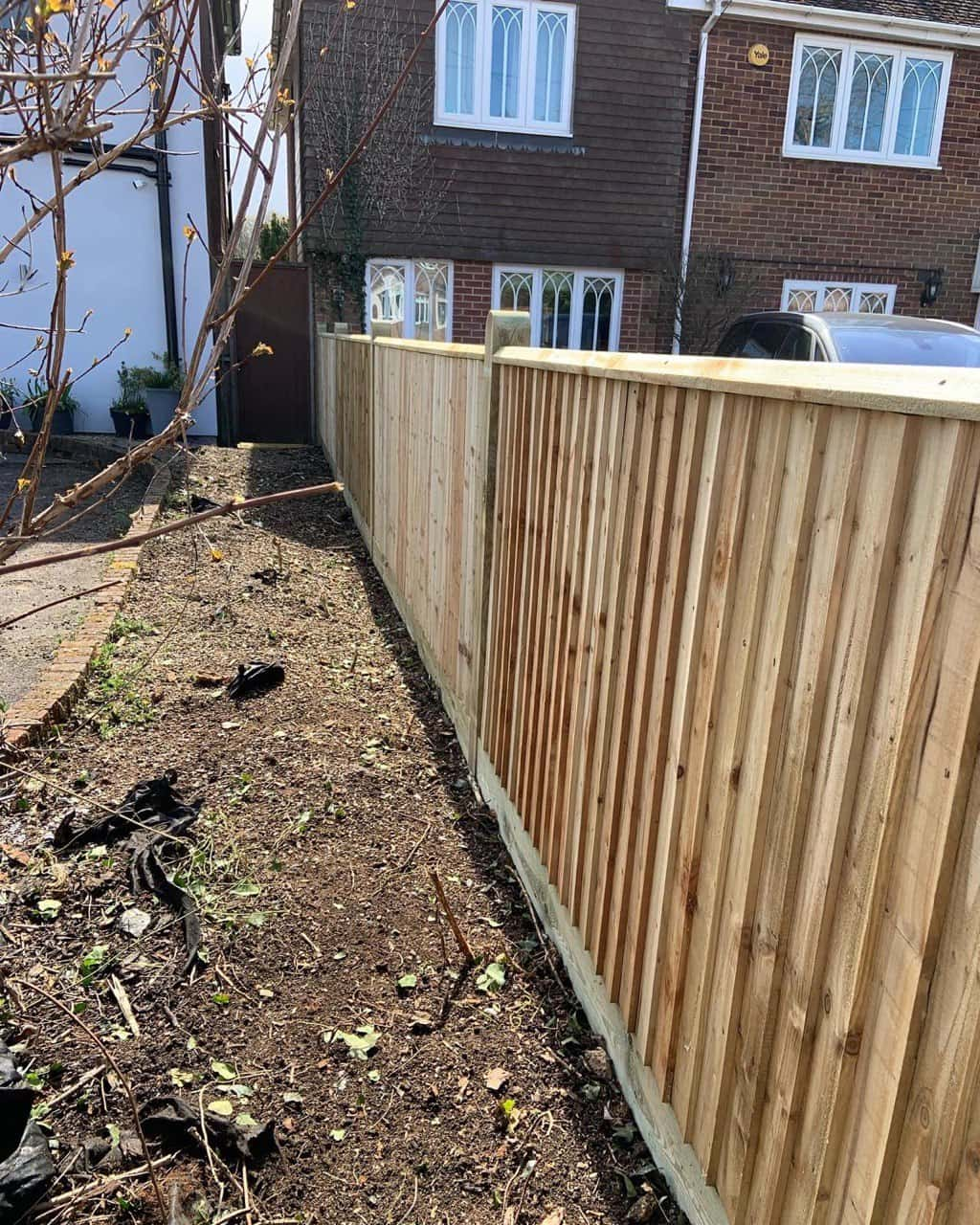
Is Picket Fencing the Right Choice for Your Front Garden?
Picket fencing is a familiar choice for front gardens because it creates a clear boundary without making the property feel enclosed. Its evenly spaced vertical boards provide definition, while the open design allows light and visibility to be maintained.
For homeowners in Paddock Wood, Kent, picket fencing can combine traditional character with practical boundary control. However, its suitability depends on what you need the fence to achieve, the layout of your garden and the level of privacy or containment required.
Deciding Whether Picket Fencing Suits Your Front Garden
Picket fencing works particularly well where the main aim is to mark the garden boundary, complement the property and discourage casual access. It is generally lower and more open than solid fencing, so it provides a different balance of appearance, visibility and security.
Considering how the front garden is used will help determine whether it is the right option.
Creating a Defined but Welcoming Boundary
An unfenced front garden can sometimes appear to merge with the pavement, driveway or adjoining spaces. Picket fencing introduces a clear boundary while retaining an open and welcoming appearance.
The gaps between the boards prevent the fence from looking heavy or restrictive. This can be valuable in smaller front gardens, where a solid fence might make the space feel narrower.
A well-proportioned picket fence can also help organise the frontage by separating lawns, planting areas, paths and driveways.
Maintaining Light and Visibility
Unlike close-boarded fencing, picket fencing allows daylight to pass through. This helps protect the open character of a front garden and reduces unnecessary shading over plants and lawns.
The design also maintains visibility between the property and the street. Homeowners can see approaching visitors, while drivers leaving a driveway can retain a clearer view of the surrounding area.
The spacing and height should be planned carefully so the fence provides adequate definition without obstructing useful sightlines.
Complementing the Property
Picket fencing can suit a range of front garden designs because the height, board profile and spacing can be adjusted. Rounded, pointed or shaped board tops each produce a different appearance, while the layout can be tailored to suit the proportions of the frontage.
The fence should complement existing features such as entrance paths, planting, gates and driveway edges. Consistent spacing and carefully aligned boards are particularly important because any irregularity is easy to notice in an open fence design.
Thoughtful planning creates a result that looks integrated with the property rather than added as an afterthought.
Providing a Practical Level of Containment
A picket fence can help discourage children or pets from leaving the garden, but its design must reflect the type of containment needed. Board spacing, fence height and the gap beneath the lowest rail all affect how secure the boundary will be.
For smaller pets, wide gaps may not provide sufficient containment. Gates must also close correctly and should not leave an easy route through or beneath the boundary.
Picket fencing is intended to provide moderate separation rather than the level of privacy or security associated with taller, solid fencing. Being clear about the purpose of the fence before installation helps avoid choosing a design that does not meet the household’s needs.
Adding a Coordinated Garden Gate
A matching picket gate can create an attractive and clearly defined entrance. It can also prevent visitors from walking directly across lawns or planting areas by guiding them towards the correct path.
The gate should be appropriately sized for regular access and installed with fittings that allow it to open and close smoothly. Posts require firm support because repeated gate movement places more pressure on them than on ordinary fence posts.
A gate that matches the board profile and height of the fence helps the entire boundary appear consistent.
Working With Slopes and Uneven Ground
Front gardens are not always level. A poorly planned fence can leave large gaps beneath the boards or produce an uneven top line where the ground changes height.
Depending on the gradient, picket fencing may follow the slope gradually or be installed in stepped sections. The most suitable approach depends on the severity of the level change and the desired appearance.
Professional measurement ensures that the posts, rails and boards are positioned correctly while maintaining sensible clearance from the ground.
Why Proper Installation Matters
Even a relatively low fence depends on secure posts and accurate construction. Posts that are inadequately supported may lean, while poorly positioned rails can cause the boards to sit unevenly.
A professional installation should consider:
- the condition and level of the ground
- suitable post spacing and support
- consistent gaps between pickets
- alignment across the complete boundary
- gate position and operating clearance
- connections with existing paths or driveway edges
- the finished height and overall proportions
These details affect both the appearance of the fence and its ability to remain stable over time.
Is Picket Fencing Right for Your Priorities?
Picket fencing may be a suitable choice if you want to:
- create a recognisable front garden boundary
- retain light and outward visibility
- achieve a traditional, decorative appearance
- guide visitors towards a path or entrance
- provide moderate separation without enclosing the garden
A different fencing style may be more appropriate if complete privacy, substantial height or a fully enclosed boundary is the main objective. The best choice should be based on how the garden needs to function rather than appearance alone.
Conclusion
Picket fencing can be an excellent choice for a front garden when the aim is to create a neat, welcoming boundary while retaining light and visibility. Its appearance can be tailored to the property, and a matching gate can provide a practical entrance.
Its suitability depends on the required height, board spacing, containment and ground conditions. Careful design and secure installation are therefore essential for a balanced, durable result.
If you are considering picket fencing for your property in Paddock Wood, Kent, Fast Fix Fencing Paddock Wood can assess your front garden and recommend a design suited to its layout and intended use. Contact our team to arrange a professional assessment.
Call us on: 01892 362 090
Click here to find out more about Fast Fix Fencing Paddock Wood
Click here to complete our contact form and see how we can help with your fencing needs.